
Fifteen years ago, the NDIS had yet to be rolled out, and day programs, employment support and funding looked nothing like they do today.
For Shane O’Reilly, who lived with profound cerebral palsy, it was a frustrating world that offered limited opportunity. For his siblings Laura and Jordan, these system-wide limitations sparked a rethink of what was possible for people with disability.
The catalyst
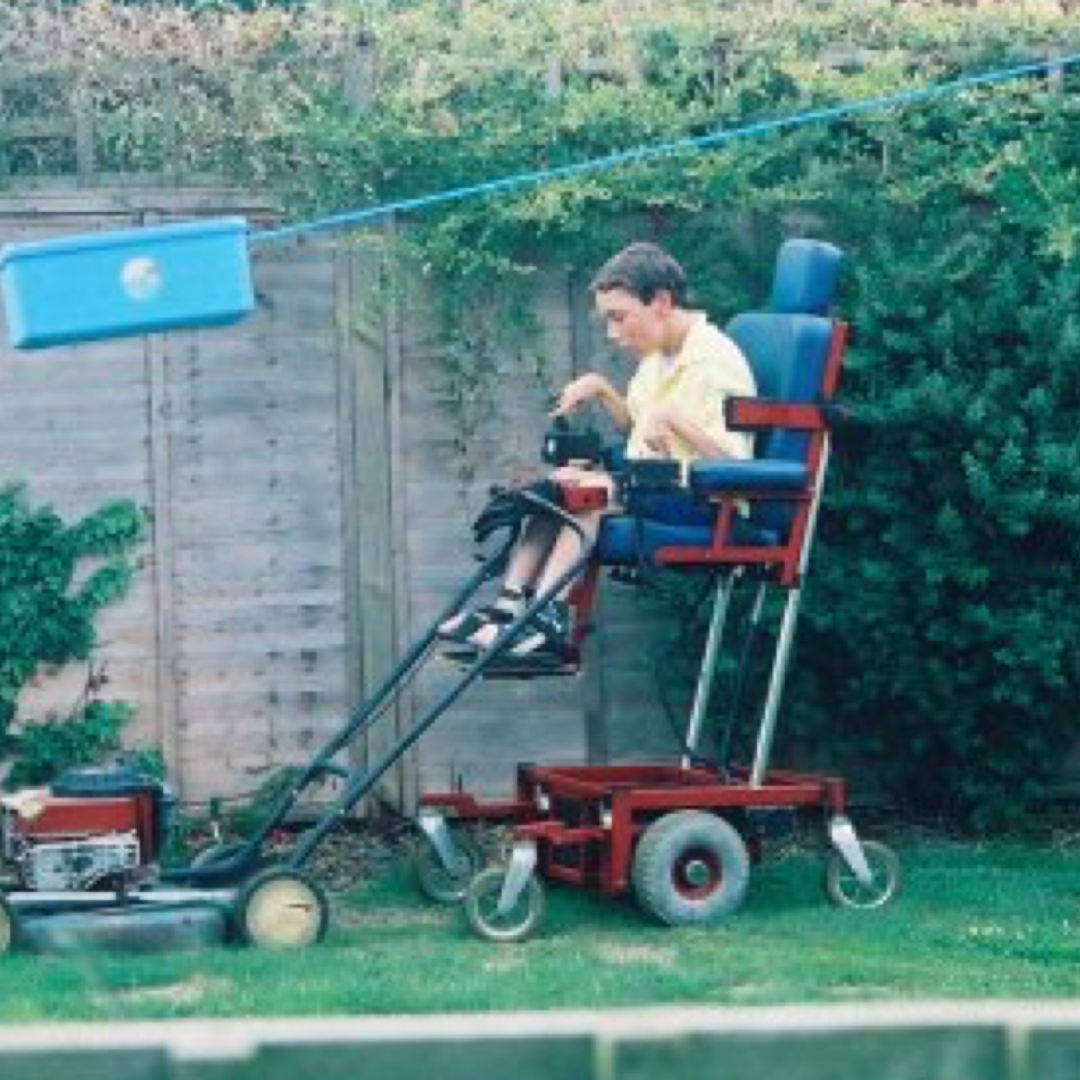
Shane was an entrepreneur – someone with real drive and real talent. He was passionate about building a career in the business he had already started, helping other organisations solve their technical challenges.
Unfortunately, the day program he attended multiple days a week failed to offer him meaningful opportunities to hone his skills, nurture his entrepreneurial interests, or build his independence.
The moment this became clear to Laura, Fighting Chance was set in motion.
“I walked through these big roller doors into this day program that he was in… to my right was Shane, just sitting, staring into the middle distance.
“I remember going up to him and saying, ‘Mate, what are you doing? Why are you just sitting here? What’s going on?’ and he said, ‘Oh, we’re just having lunch, and then we’re going to do art.’
“I remember thinking, ‘What is happening? This is my younger brother who loved technology, who wanted to work, who had so much to give, and he was just sitting there in this sort of empty space.’
“That for me was a moment of realisation that if we didn’t do something, his future was just to sit there.”
For Laura, that moment highlighted a systemic failure: when Shane and his peers finished school, the broader world simply closed its doors.
“Like his older siblings, he wanted to work, he wanted to move out of home, he wanted to participate socially. And he was told by society, ‘Yeah, sorry, no. That’s not available to you.’ We described it as going off a cliff.”
Refusing to accept that “cliff” as Shane’s future, Laura and Jordan decided to build an alternative themselves.
Co-Designing with Shane
Fighting Chance operates under five key organisational values, including ‘a hand up, not a hand-out’. This principle has been embedded in the design of its social enterprises from the very beginning.
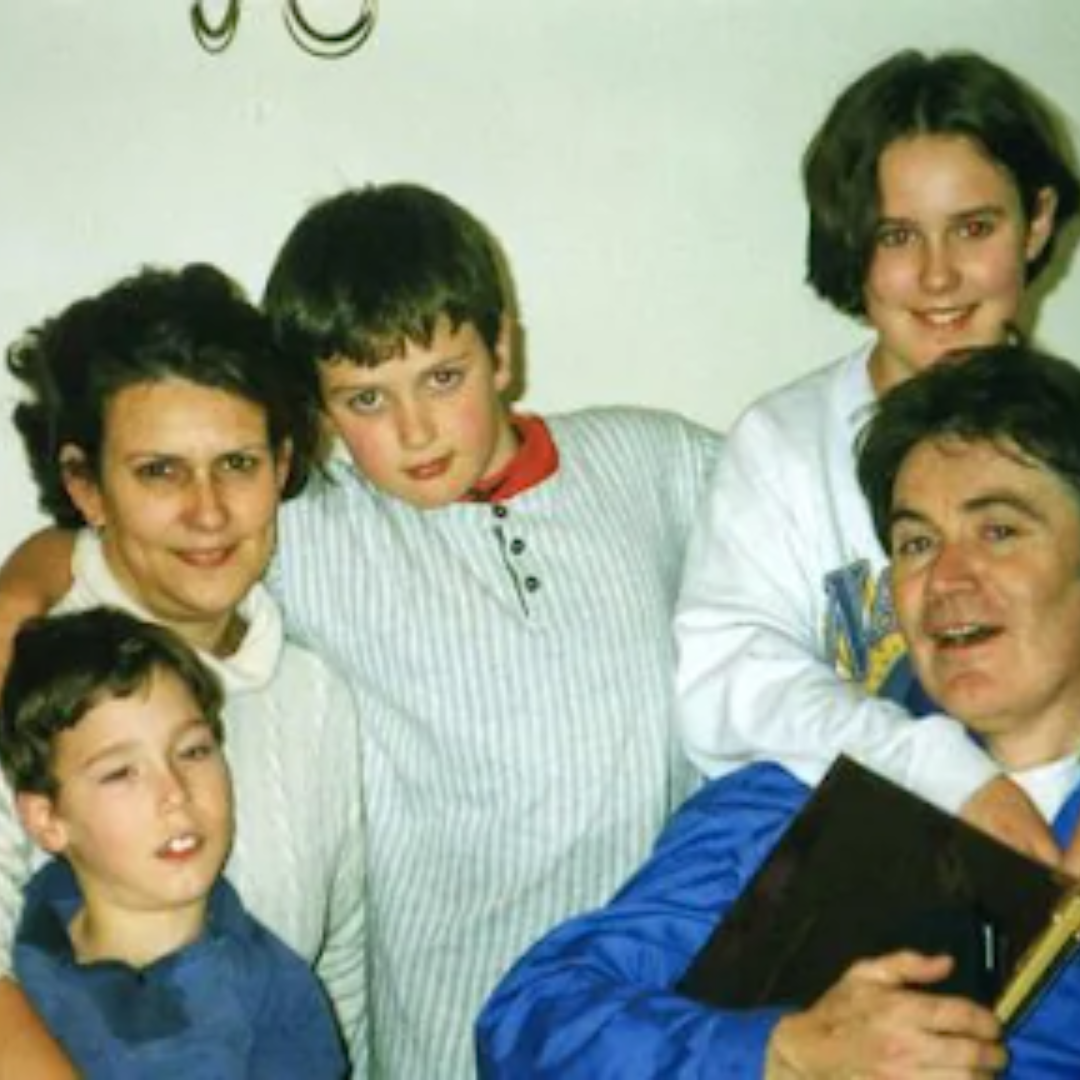
When Laura and Jordan began working to improve disability services, they collaborated with Shane and his wider network to identify gaps and design services that met the true needs of people with disability.
“Shane’s experience is the vision for everything we’ve done with Fighting Chance,” Laura says. “Our process from the beginning has been: what is the thing that Shane wanted or needed?”
Every initiative, from employment pathways to independent living, was built by mapping the gaps Shane and his friends faced in their daily lives.
“Be it an opportunity to work, to be entrepreneurial, to run the businesses that he dreamed of… the work of this organisation has been identifying a gap or an opportunity that should exist but doesn’t.”
Four social enterprises, to fill four critical gaps
For Laura, Jordan, and the early team at Fighting Chance, if the right opportunities didn’t exist, the only option was to build them. But they insisted on doing so through a framework of empowerment, not charity.
“Our strong belief was that people like my brother Shane didn’t need benevolent niceness; people needed opportunity,” Laura reflects. “How do you fill the gaps, but fill them with opportunity? Not just with programs or services people passively receive. That’s been a really important design feature in everything we’ve done since.”
The first priority for Fighting Chance was to bridge the gap facing people with disability as they left school and entered adult life.
“What determined which pathway you were able to go down was how similar you were to an able-bodied person,” Laura recalls. “If you couldn’t read, or if you didn’t have physical dexterity, like Shane, it was determined that you couldn’t work. That felt like such a false dichotomy.”
“Sure, Shane had a profound physical disability, an intellectual disability, and needed a lot of support, but he also had so much to give. The idea that your functional capacity should determine whether you could have a job or not just seemed like nonsense to me. What we needed was a spectrum of employment opportunities that catered for everybody.”
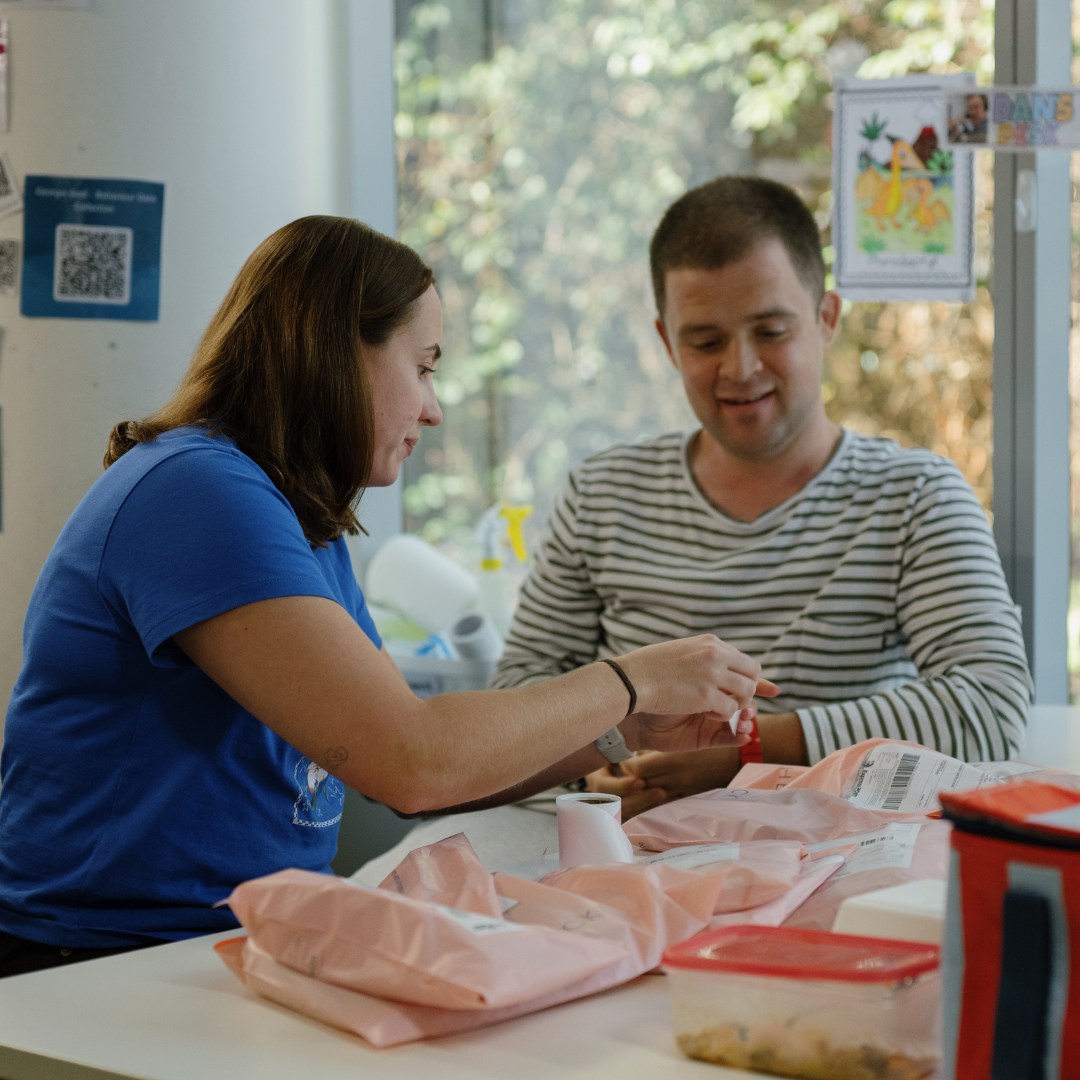
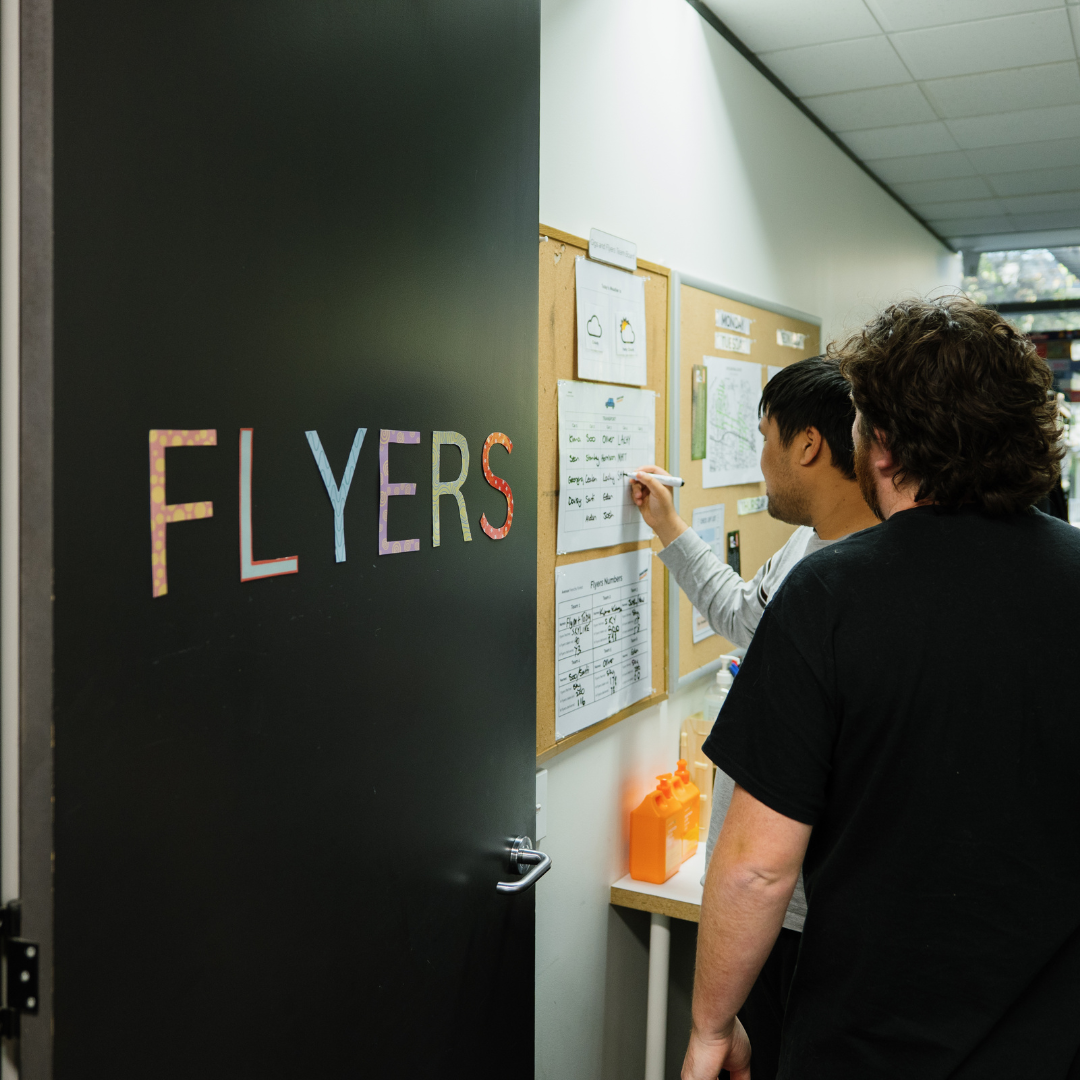
That led to the creation of Avenue – a social enterprise built as a workplace for all, where people with profound disability could harness and build their skills and, importantly, participate economically.
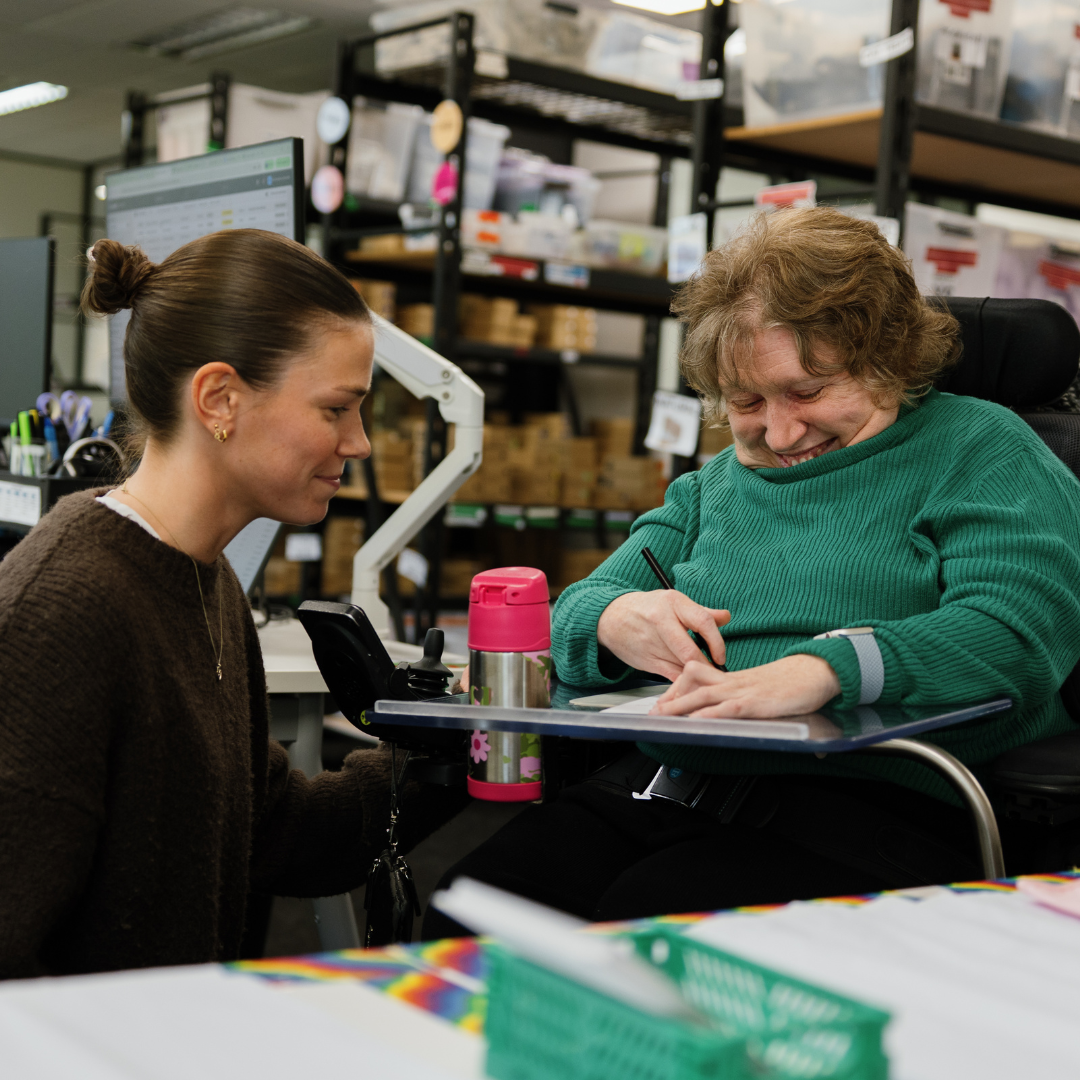
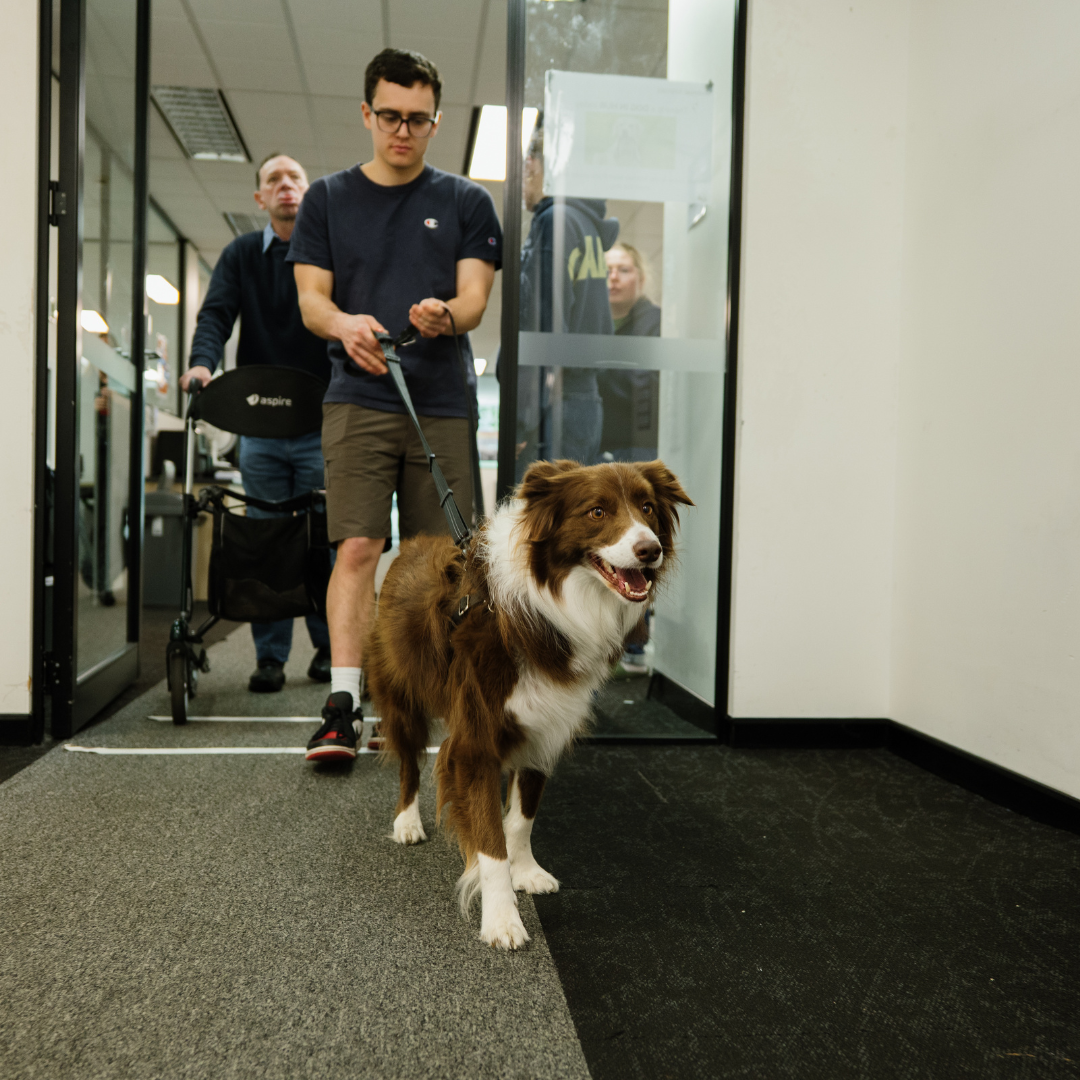
Jigsaw emerged from a different gap: people with disability who wanted to work in mainstream employment but weren’t provided with the opportunity or appropriate support.
While building Avenue, the team began hearing from people seeking mainstream work – including a woman with a 20-year accounting career in one of the Big Four who had lost her role after a heart attack impacted her mobility.
Laura remembers thinking: “This is very odd. This person should have tons of opportunity.”
“That led us to look into it and discover that people with disability face unemployment at a much higher rate than able-bodied people. There were hundreds of thousands of people with disability who should be in the mainstream workforce who weren’t. And so that really led to the idea for Jigsaw.”

As Fighting Chance expanded its employment pathways, another fundamental gap surfaced: the lack of control that people with disability had over their own living arrangements. To address this, Base was established as a family-governed housing model designed to give residents true ownership of their living spaces.
“The challenge we were trying to resolve when we started Base emerged from the lived experience of three of our participants who were really unhappy in their supported accommodation,” Laura recalls.
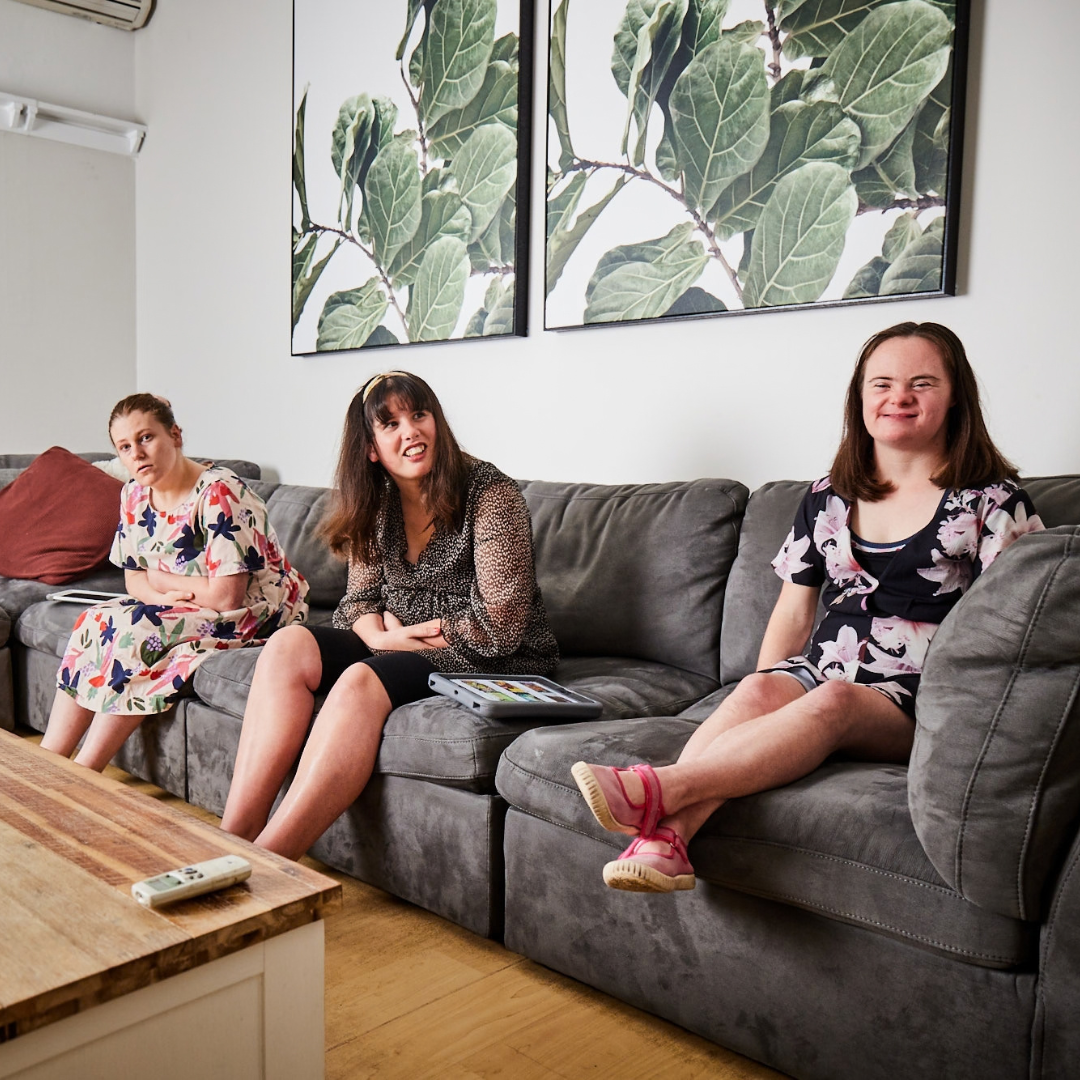
“I remember having a conversation with one of the mums in the corridor. She burst into tears because the house her son lived in did not feel like his home. It felt like a house managed by an organisation where he was just a guest. She wanted his home to actually feel like his home. That is so basic; I thought, “surely we can achieve that”. So that was the problem we sought to solve with Base: setting up houses under a family governance model where the housemates and their families were in control of the big decisions, and it was our job as the provider to implement those choices.”
The final enterprise established in 2021 was Plus, created for participants with complex behaviour support needs for whom a busy workplace like Avenue was too sensory-overwhelming.
“The problem we were seeking to solve with Plus was that there was a cohort of people coming to Avenue who had more significant behaviour support needs. The Avenue Hub could be quite triggering and overwhelming for this cohort.
“That led us to think if we could design a more integrated service that was a combination of meaningful work and life skills, but also integrated with the best possible behaviour support clinicians and trained staff – we could essentially create an environment that works for people better.
“So that led to the creation of Plus. Plus seeks to provide a really high-quality service for people who are often left in a too-hard basket and turned away from services because they have complex behaviour support needs – but who have so much to give if the environment is structured in the right way.”
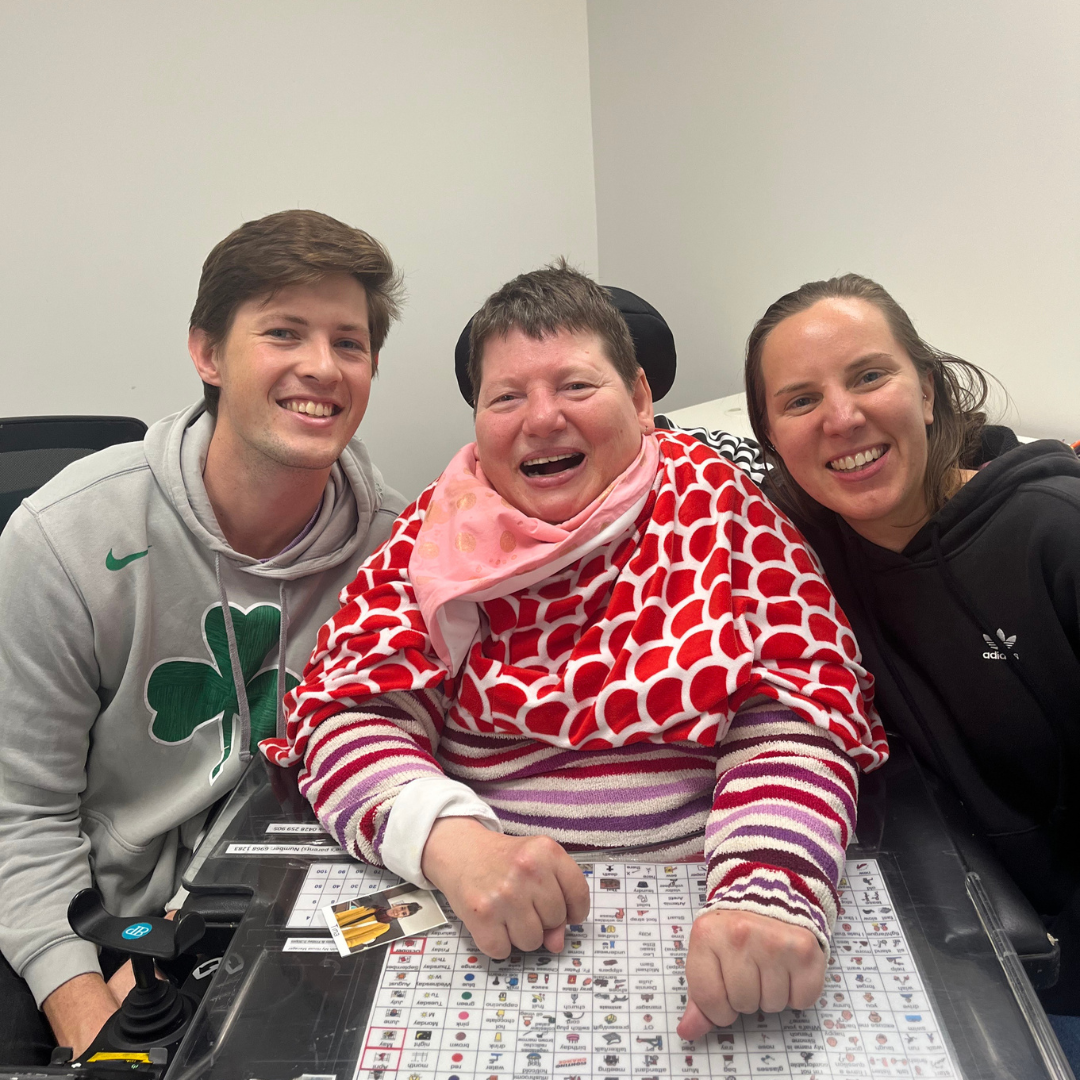
From one brother’s experience to a different way of doing things
Fighting Chance was established in response to critical gaps in how people with disability were supported, and it was designed to do things differently.
At its heart is a not-for-profit organisation guided by purpose, opportunity, dignity and empowerment. Fifteen years on, those same principles continue to shape how we work, what we build and how we support people with disability to live lives of their choosing.
Over the past 15 years, that vision has grown well beyond Shane’s experience, reaching over 3000 people with disability and their families across Australia. As the disability sector continues to evolve, Fighting Chance remains focused on expanding opportunities, supporting participants through a changing NDIS landscape, and continuing to challenge the barriers that limit what people with disability can achieve.
The question that inspired Laura and Jordan 15 years ago remains at the heart of Fighting Chance today: what should be possible for people with disability, and what can we build to make it possible?
It is a question that has shaped the organisation’s past – and will continue to inspire its future.
To learn more about Fighting Chance and our enterprises, head to our website.